
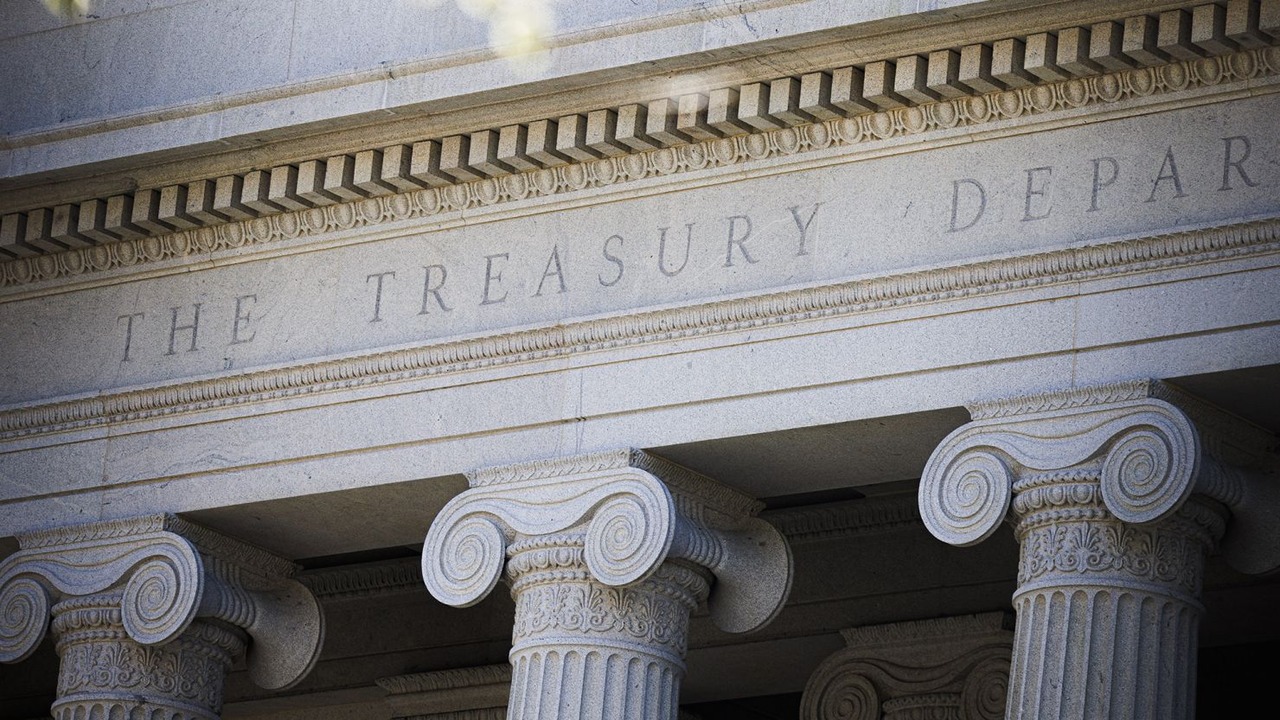
The U.S. Treasury Department’s Financial Crimes Enforcement Network (FinCEN) has proposed a rule to protect the nation’s financial systems. This measure seeks to bar the Cambodia-based Huione Group from enabling illicit activities related to North Korean hackers.
According to the officials, Huione Group facilitated the laundering of illicit funds from online scams, including “pig butchering” romance scams. These malicious attacks targeted individuals via social media and dating platforms, leading to significant financial losses for victims.
FinCEN Cites Alleged Ties to North Korean Hackers
FinCEN criticized Huione for inadequate anti-money laundering controls and specific links to North Korean cyber activities. Officials alleged the firm laundered more than $4 billion in illicit funds between August 2021 and January 2025. This included $37 million worth of assets stolen in cyber heists linked to North Korea.
“For years, Huione Group has laundered illicit proceeds from cybercrimes— namely, cyber heists carried out by the Lazarus Group, an entity sanctioned by Treasury’s Office of Foreign Asset Control (OFAC)— Convertible Virtual Currency (CVC) investment scams carried out by transnational criminal organisations (TCOs) based in Southeast Asia”, the agency said.
Moreover, FinCEN claimed that the Huione Group offers a range of services, including online marketplace selling tools used in cyber scams. It also provides payment services in fiat currency and convertible virtual currency (CVC), which are frequently used for money laundering.
Proposed Sanctions on Huione Group
To protect the U.S. financial system from malicious attacks, the agency proposed measures made under Section 311 of the Patriot Act. The rule would allow FinCEN to require domestic financial institutions to prohibit Huione Group and its affiliated entities from opening and managing accounts.
The officials highlighted that this action will sever Huione Group’s access to correspondent banking. It will also degrade the firm’s ability to launder its ill-gotten gains. Additionally, the proposed sanctions aim to prevent terrorist financing and protect the integrity of the international financial system.
Earlier this year, Huione launched its own stablecoin, USDH, and a chat service. According to Elliptic, the firm branded the stablecoin as an asset that avoids the common freezing and transfer restrictions of traditional digital currencies. They also claimed that USDH is not restricted by traditional regulatory agencies.





 Ephraim Emmanuel | September 30, 2026


 Jonathan Agozie | September 28, 2026
