
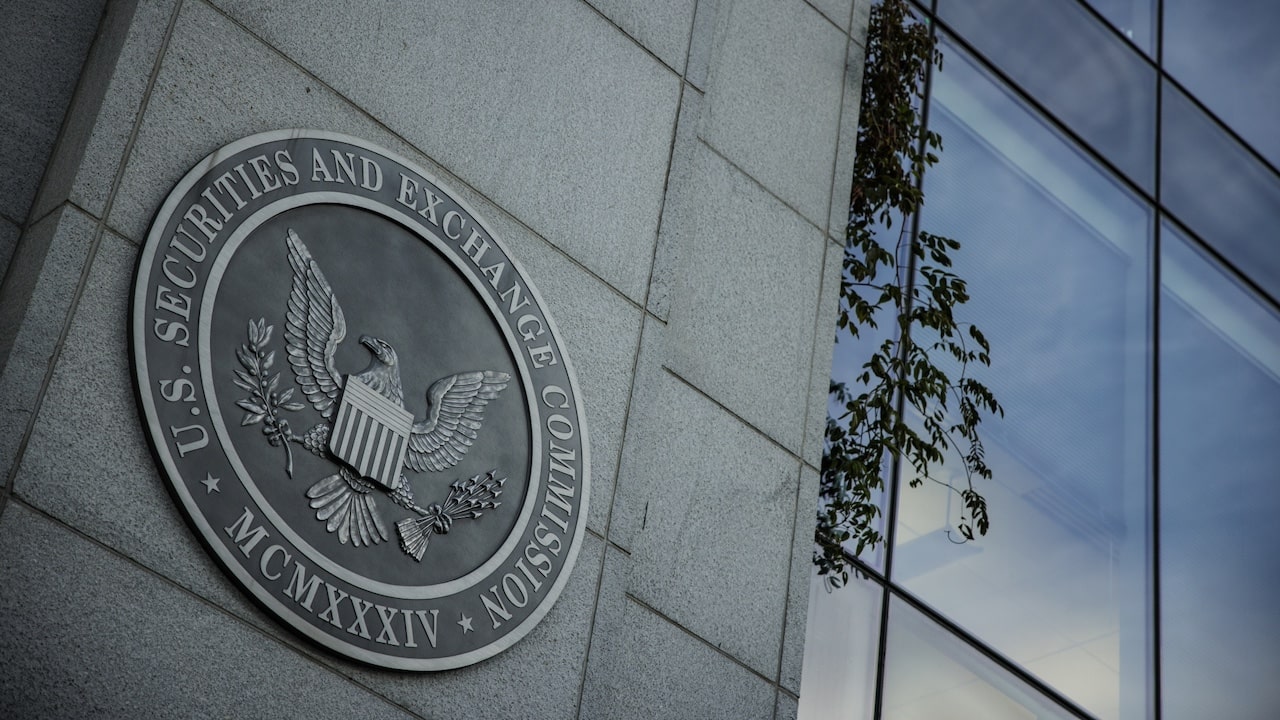
The United States Securities and Exchange Commission (SEC), led by Chair Paul Atkins, has changed its formerly strict approach to enforcing rules in the digital asset market. The latest decision aims to establish clear guidelines that will foster market growth while protecting investors.
The SEC will now notify businesses about minor violations before taking enforcement actions. The new strategy aims to encourage crypto firms to comply voluntarily and reduce the uncertainty about regulatory expectations.
A New Era of Regulatory Clarity
Chairman Atkins’ vision for crypto regulation has focused on transparency, fairness, and innovation. For an industry that has often criticized the watchdog’s previous tough approach, the change offers a much-needed improvement and promotes a better business environment.
Instead of using intimidation, Atkins highlights the need for “regulatory certainty.” This helps legitimate crypto companies operate confidently, without fear of sudden enforcement actions. The updated policy is not just about easing tensions; it also aims to bring crypto innovation back to the U.S. by creating a supportive regulatory environment that fosters growth in the sector.
Recently, the SEC promulgated new guidelines allowing crypto firms to custody and trade both securities and non-securities under one roof. This move is expected to reduce costs for investors and increase market efficiency. The SEC’s new approach emphasizes transparency, fairness, and flexibility, providing a more conducive environment for crypto innovation.
A Departure from the Past
Atkins’ approach to crypto regulation differs significantly from that of the previous SEC Chair, Gary Gensler. Gensler focused on strict enforcement and made it clear that he wanted crypto firms to register with the SEC. He used enforcement actions to emphasize this point.
Many criticized his method for hindering innovation and driving crypto businesses away from the U.S. In contrast, Atkins’ SEC aims to encourage innovation and offer clear guidance. The industry has welcomed this change, seeking a more friendly regulatory environment that reduces uncertainty for investors.
Meanwhile, the U.S. SEC and the CFTC have jointly released a statement clarifying the rules governing the trading of crypto assets, which include the need for compliance with current laws, such as the Bank Secrecy Act and anti-money laundering regulations. The statement explains that the current law does not stop SEC- or CFTC-registered exchanges from allowing the trading of certain spot crypto products.










 Mishael Nwani | August 28, 2026


 Chris Lion | August 26, 2026
