
The United States government has continued its crackdown on scam networks stealing vast amounts of money from Americans. The government’s latest move targets fraudulent entities in Southeast Asia, particularly Myanmar and Cambodia.
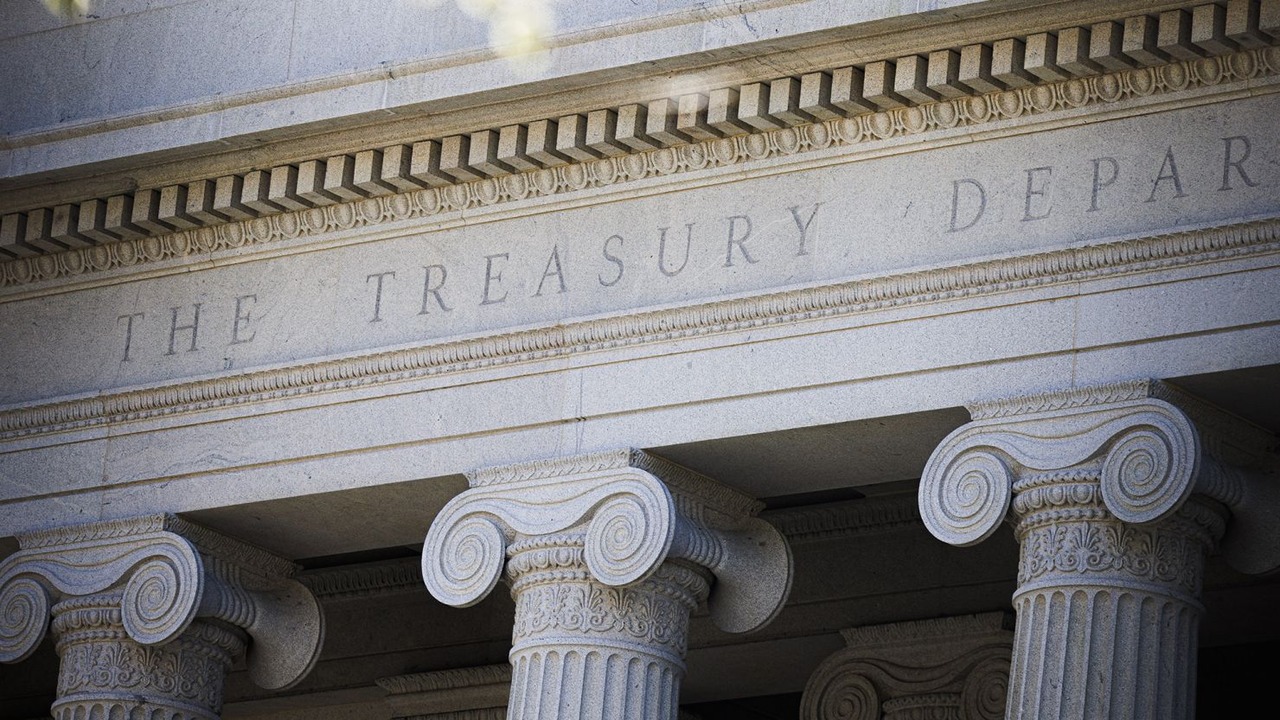
According to a press release, the Treasury Department’s Office of Foreign Assets Control (OFAC) has sanctioned nine Myanmar and ten Cambodian entities. The sanctions were based on several charges, including forcing victims to engage in crypto investment fraud.
OFAC Sanctions 19 Scam Centers
The Treasury found that the scam entities in Myanmar operate under the purview of the Karen National Army (KNA). The KNA is an extensive fraudulent network that is already on OFAC’s sanctioned list. The government targeted ownership structures based in Shwe Kokko, Burma, which is a notorious hub for crypto investment scams.
Chinese criminals initially built the centers in Cambodia as casinos. However, they have become hubs for crypto investment scams over time due to the profitability of such fraudulent activities.
These scam networks have used forced labor and violence to steal billions of dollars from Americans. Last year, Americans lost more than $10 billion to fraudulent entities based in Southeast Asia, and most of these firms are affiliated with the KNA. The losses represented a 66% increase from the previous year’s figure.
Combating Cybercrime
The criminal organizations often use debt bondage and the threat of forced prostitution to recruit individuals for their scam centers. Notably, they focus on individuals with English language skills to target Americans. They are coerced into lying and stealing from strangers online, often with fake promises of potential romantic relationships or friendships to gain victims’ trust. They also send text messages to potential victims’ phones to lure them into virtual interactions.
Upon prolonged interaction, the scammers convince their targets to invest in cryptocurrencies via websites that are designed to appear legitimate. In reality, those sites are fake and controlled by scammers, who steal victims’ funds after they are deposited.
The OFAC stated that its recent sanctions build on a series of actions taken over the last few months. The Treasury has taken steps to combat cybercrime and the human rights abuses that enable it.
Following the Treasury’s latest announcement, all U.S.-based properties and entities wholly owned by the sanctioned firms are blocked and must be reported to OFAC. Additionally, properties that are partly owned by the affected entities with a stake of 50% or greater will be blocked.








 Ephraim Emmanuel | September 7, 2026


 Jonathan Agozie | September 6, 2026

 Chris Lion | September 4, 2026
