
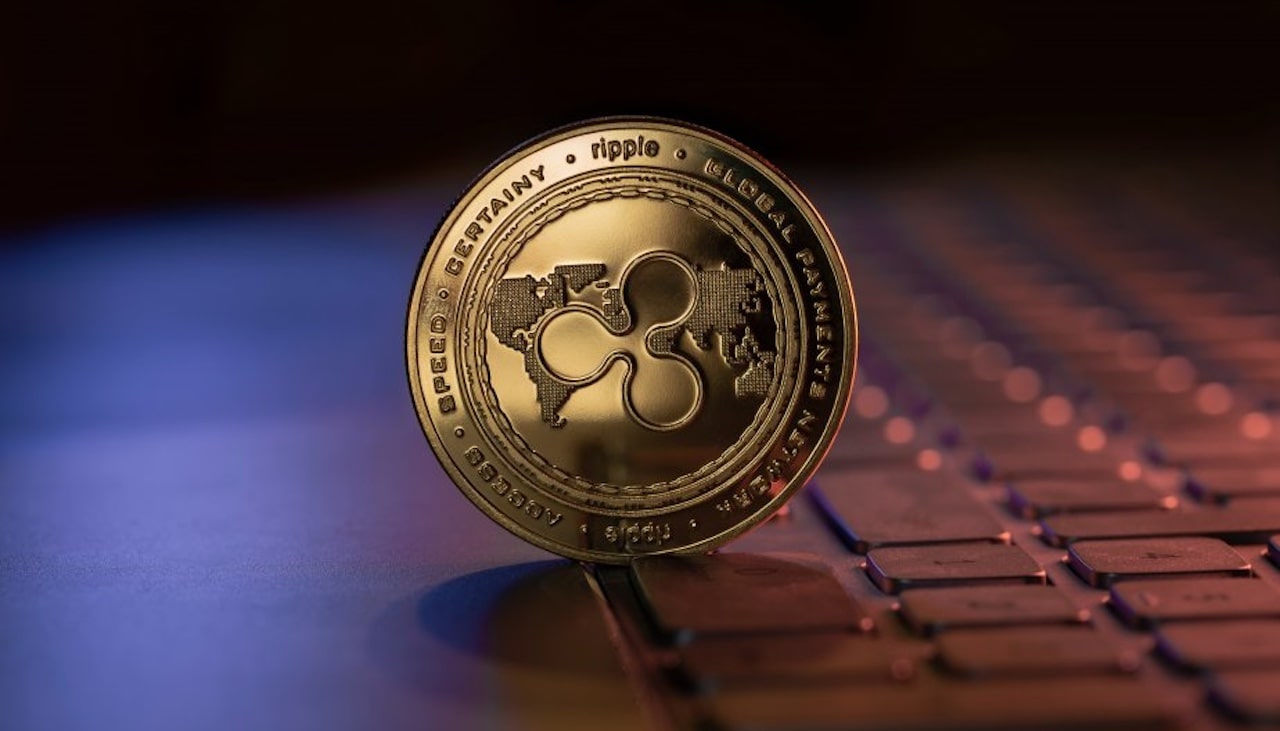
The team at Ripple Labs has revealed plans to make the XRP Ledger (XRPL) quantum-resistant by 2028. This decision comes amid rising concerns about the possible threats quantum computing poses to the crypto industry in the future.
According to a blog post from Ripple, ensuring full quantum readiness by 2028 entails actively testing quantum-resistant cryptography now. The Ripple team has introduced a multi-phase roadmap for the transition, including a Quantum-Day (Q-Day) contingency plan.
The Roadmap to a Quantum-Resistant Era
Ripple says it is not treating the post-quantum migration as a single software upgrade, but rather as an architectural transition affecting storage, protocol design, and performance. The roadmap will ensure XRPL preserves its strengths as the migration advances, while also preparing for emergencies and minimizing disruption if Q-Day arrives unexpectedly.
The first phase of the roadmap aims to ensure a smooth post-quantum recovery for all account owners in the event of a quantum attack. This is the phase for Q-Day readiness. Ripple is exploring post-quantum zero-knowledge proofs to enable users to prove ownership of existing keys without exposing the keys themselves. This will also enable the migration of funds in a compromised environment.
Fortunately, XRPL already has building blocks in place that support native key rotation and seed-based key generation. These blocks will enable users to derive new keys without changing their underlying accounts in risky situations. Phase one will enforce a shift that denies classical public-key signature standards access to the XRPL; all funds must move to post-quantum accounts with matching keys.
No Threat Yet, But Preparations Are Critical
The second phase, scheduled for the first half of 2026, entails proactive planning and experimentation. This stage assesses the impact of post-quantum cryptography (PQC) on the XRPL. Here, Ripple will evaluate PQC algorithms and their impact on the network. Ripple is partnering with Project Eleven, a post-quantum era infrastructure firm, to facilitate early experimentation.
In phase three, Ripple will explore post-quantum primitives. With a foundation for controlled transition in place, Ripple will spend the second half of 2026 integrating post-quantum signature schemes while evaluating network impact.
For the final phase targeting 2028, Ripple hopes to move from experimentation to execution within the XRPL ecosystem. The team will begin to transition the network to PQC-based signatures at scale, making the blockchain ready for emergencies.
It is worth mentioning that while the quantum threat is real, XRPL assets are not at risk for now. However, Ripple is preparing for more subtle risks, such as “harvest now, decrypt later,” which enables bad actors to collect publicly visible cryptographic data for cracking with more advanced quantum hardware in the future. The goal remains securing long-term value.








 Ephraim Emmanuel | September 7, 2026


 Jonathan Agozie | September 6, 2026

 Chris Lion | September 4, 2026
