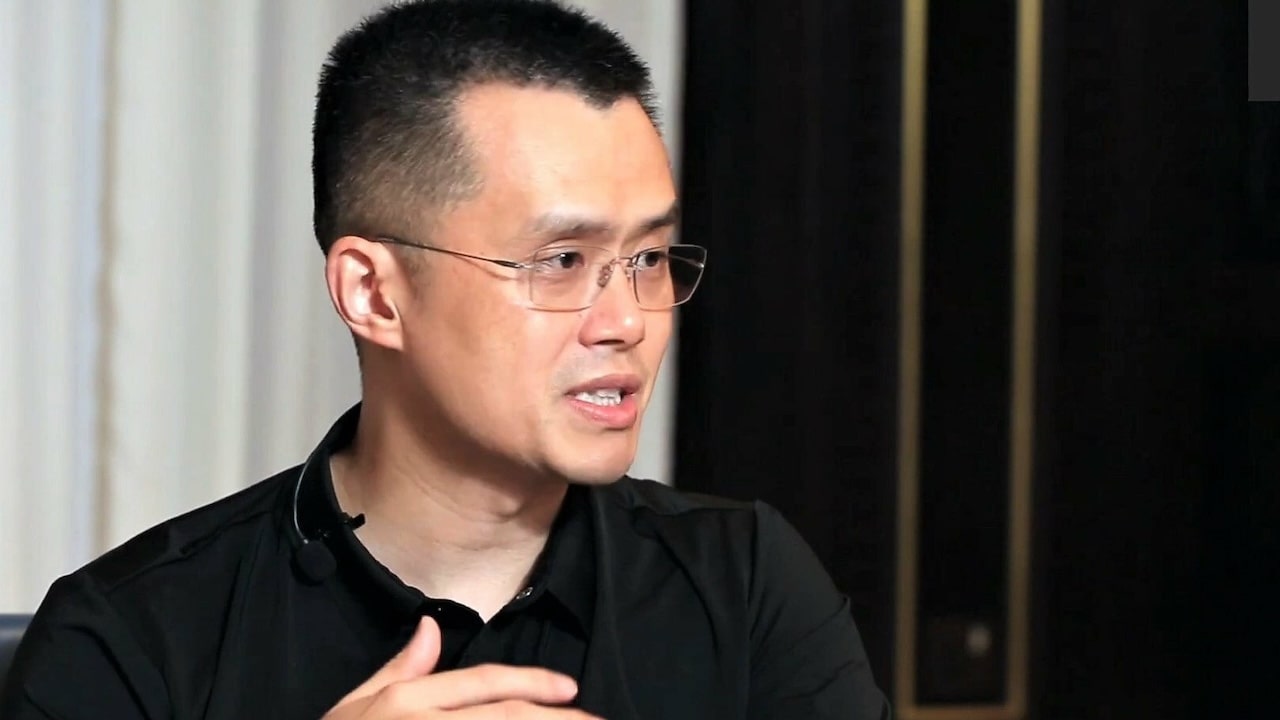
Changpeng Zhao (CZ), co-founder and former CEO of Binance exchange, has denied claims made in a recent Bloomberg article that associate him with a stablecoin issued by World Liberty Financial (WLF), a crypto firm reportedly connected to United States President Donald Trump.
In response to Bloomberg’s report on X, CZ referred to the news as another hit piece (sponsored by a competitor), containing “so many factual errors.” He further noted that he is confused about where to begin.
CZ Hints at Revisiting Legal Measures
In addition, the former CEO revealed he might have to use the company again for defamation. While the issue is ongoing, recall that the media outlet rendered an apology to CZ in July 2024 following a piece they wrote in July 2022.
According to the letter, Bloomberg apologized for making an “egregious mistake in publishing an article that was misleading, false, and baseless. Furthermore, they retracted and withdrew the offending statement without reservation. They noted that the company will not make any allegations or publish the same or similar news.
To make amendments, the news media said it will donate an agreed sum as charity instead of paying for damages. CZ disclosed that the news media’s apology was not published on the company’s website. Fast forward to today, the Bloomberg article suggests that Binance helped in creating the initial smart contract code behind USD1, a stablecoin launched by WLF.
CZ Allegedly Sought Clemency After $2B Deal
The report further claimed that Zhao sought a presidential pardon shortly after a $2 billion transaction involving USD1 and a UAE-based fund’s investment in Binance. Additionally, it noted that over 90% of USD1 tokens are still held in the platform’s wallets, possibly earning tens of millions in interest.
Last year, CZ was sentenced to four months in prison in a U.S. federal prison over charges of fraud involving Binance. Before the sentence, the U.S. Department of Justice (DOJ) asked that the platform’s founder be locked up for 36 months. It stated that Zhao’s time in prison should be a time for reflection on the harm his illicit act has caused the country.
Zhou’s legal team pushed back against the DOJ’s request, stating in a memo that the sentence was too severe, especially since similar cases usually carry a maximum of 18 months.


 Ephraim Emmanuel | September 7, 2026

 Jonathan Agozie | September 6, 2026