
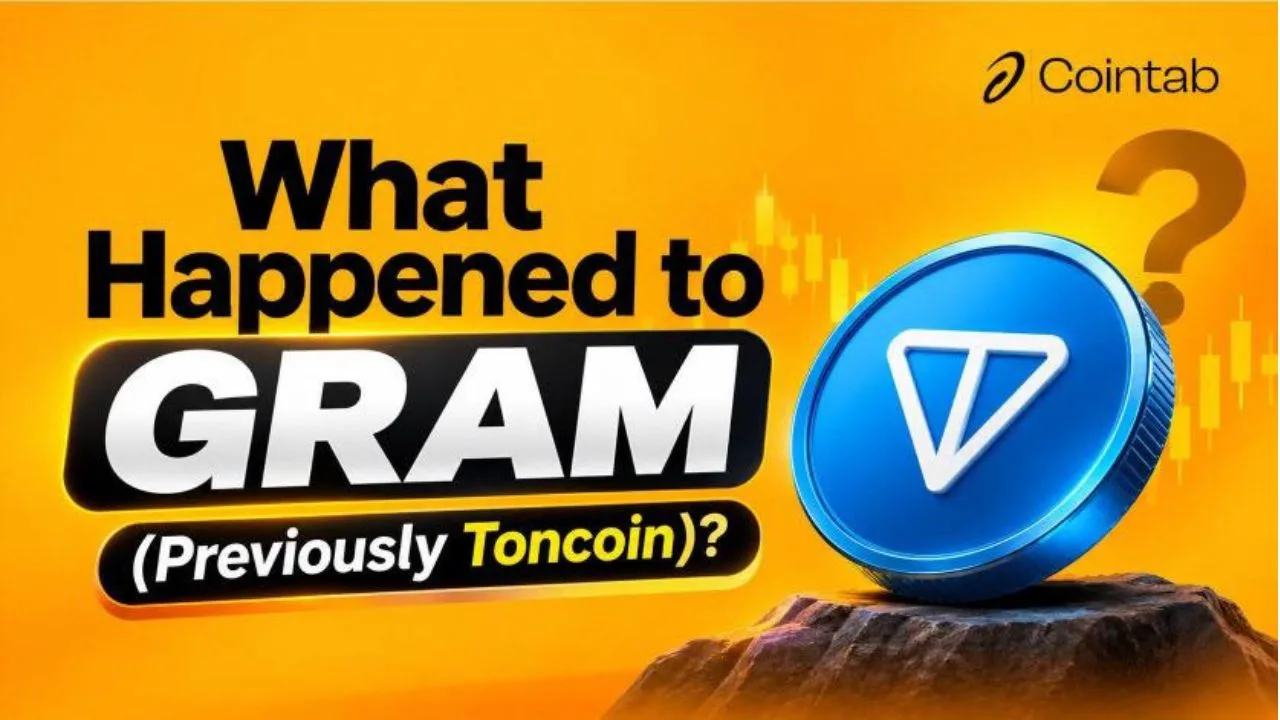
Popularity is something most blockchain projects strive to attain. Many spend millions of dollars to get their first 100,000 users. The reason for this expense is not far-fetched; many believe more users attract developers and strengthen the ecosystem. Still, can a project have access to millions of users and still fail to impress?
The Open Network (TON), a blockchain project backed by Telegram, appears to be living this reality.
The layer-1 blockchain was designed to make crypto accessible to over one billion individuals using Telegram. Despite having the largest audience in crypto history, TON has significantly lost its prominence in the crypto market. What went wrong with the project? This article highlights three key problems the L1 network had and failed to address. It also discusses how the project can fix these issues and get back on its feet.
The Early Ties Between TON and Telegram
To understand how TON’s woes began, we need to travel back to 2017, when Telegram’s co-founders introduced the project.
Nikolai and Pavel Durov introduced the network as the Telegram Open Network. They also developed the TON Virtual Machine (TVM), the core engine that enables developers to deploy smart contract-enabled applications on the blockchain network.
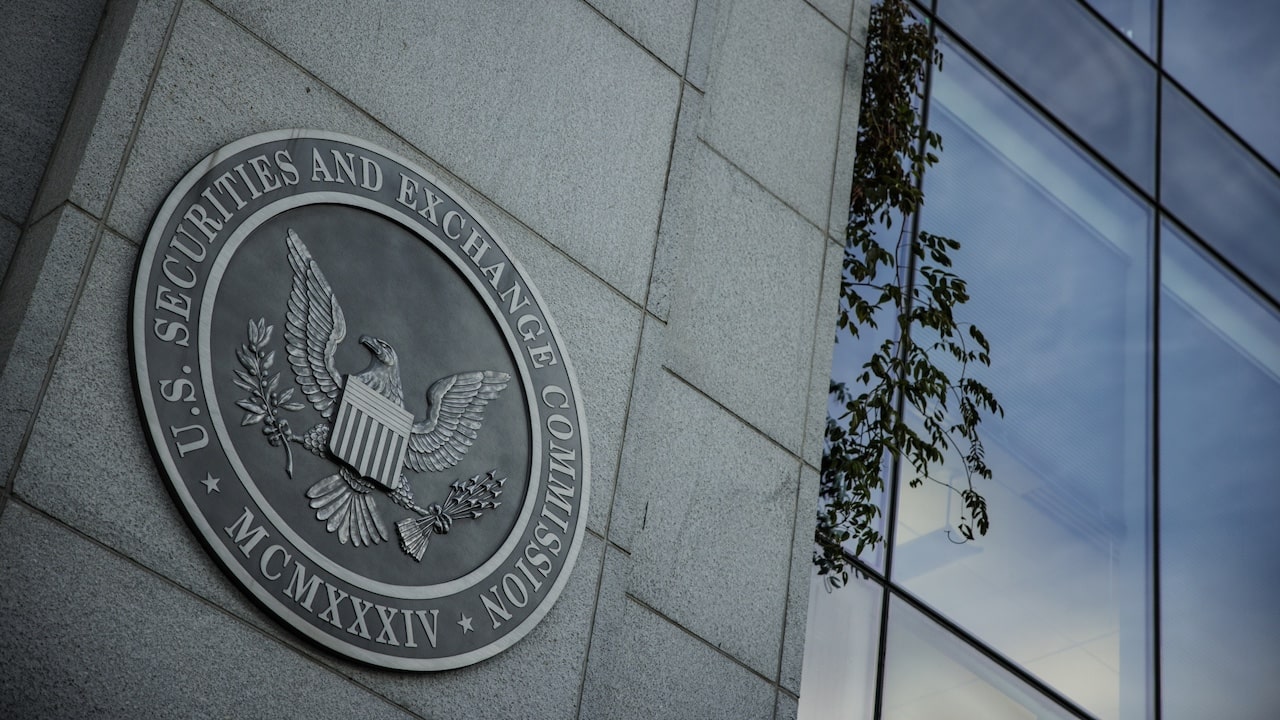
In 2018, a $1.7 billion private initial coin offering (ICO) of the GRAM token followed. Shortly after, the United States Securities and Exchange Commission (SEC) sued Telegram, alleging it offered unregistered securities. After a back-and-forth legal tussle, Telegram abandoned the crypto project in May 2020.
An independent team soon revived the project as The Open Network, making the non-profit organization, TON Foundation, its primary driving force. Although the project continued with the TVM, the token’s ticker was renamed from Gram to Toncoin.
Fast-forward to 2023, Telegram gradually embraced the revived L1 blockchain. It introduced mini-games like Notcoin, Tapswap, and Hamster Kombat into the network, which caught the attention of millions.
In June 2026, Telegram replaced TON Foundation as the driving force and largest validator of the L1 network. The token’s ticker was also renamed from Toncoin to GRAM.
3 Problems TON Failed to Address
While TON survived and Telegram eventually returned, the years of legal battles left the blockchain without a strong head start. Here are three issues that developed that TON failed to rectify, causing its current market struggle:
Heavy Reliance on Telegram
It took roughly three years for Telegram to embrace the TON blockchain. After announcing TON as its exclusive Web3 infrastructure partner in September 2023, Telegram introduced a self-custodial TON wallet directly into the social app.
Months later, developers began shipping clicker mini-games to Telegram, popularly known as crypto tap-to-earn games. They attracted users by having them complete simple tasks, like tapping their screens, to get a share of a future crypto airdrop. This strategy worked, attracting millions to the network. However, these mini-games were flawed; they attracted airdrop farmers and those in want of quick cash, rather than those ready to build a sustainable ecosystem.
Aside from the clicker games, TON was trying to build a real economy behind the scenes. For instance, Tether launched the native USDT on the L1 blockchain, allowing anyone to send stablecoin on Telegram. Fragment emerged as a means for Telegram users to trade premium usernames, virtual phone numbers, and gifts using TON. Developers natively deployed decentralized applications (dApps) like Tonstaker, STON.fi, and DeDust on the TON blockchain.
These genuine protocols were overshadowed by low-quality tap-to-earn games, making it hard to retain sustainability once the hype died down. In November 2026, most dApps are recording negative flows, putting TON’s DeFi total value locked (TVL) at $42.9 million, down 18.18% over the past month.

Here’s the bigger issue: TON depends heavily on Telegram for its operations.
Popular blockchains like Solana and Ethereum do not depend on a single corporate entity to operate. This is not the case with TON, where developers often build products for the Telegram interface rather than the TON blockchain itself. Relying on Telegram as a single point of failure means that if Telegram changes its Mini App terms or restricts bot APIs for any reason, almost the entire TON ecosystem will suffer.
A helpful fix: Instead of relying solely on Telegram, TON developers should explore various sectors within the crypto market. These include real-world assets (RWAs), AI agents, decentralized physical infrastructure networks (DePIN), and many more. This will ensure that TON is not dependent on a single point of failure.
Lack of Smooth Developer Infrastructure
When the Durov brothers designed the TON Virtual Machine and its smart contract languages, FunC and Tact, in 2018, the Ethereum Virtual Machine (EVM) was still relatively new. The Solana Virtual Machine (SVM) was not yet publicly known.
Things started to go against the TVM development team when the legal case with the SEC began. While Telegram was caught in a lawsuit for nearly two years, the rest of the crypto world built solid ground around the EVM using Solidity and the SVM using Rust.
It was not until 2022/2023 that the revived TON network finally returned to the spotlight. By then, almost all experienced blockchain developers used Solidity or Rust programming languages.
When developers tried to build on TON, they struggled because only a few developers knew how the TVM works. Also, using the TVM meant learning custom programming languages like FunC or Tact, a hurdle most developers do not wish to cross.
The TON Foundation spent millions of dollars in grant programs, hackathons, and ecosystem funds to incentivize developers to migrate to or build on TON. Still, developers find it hard to deploy applications on the chain because the developer infrastructure wasn’t smooth from the outset.
A helpful fix: Introducing Solidity-to-TVM transpilers will let developers familiar with Solidity build directly on TVM. Using sidechains and layer-2 EVM subnets can also let Ethereum-native projects be forked and run natively on TVM without rewriting logic from scratch. Using a familiar programming language will also lower the barrier for developers.
A Flawed Tokenomics
TON embraces an inflationary supply curve. This means its native coin, GRAM (formerly Toncoin), has no maximum supply, and its circulating supply will continue to increase.
The network incentivizes validators by rewarding them with newly generated tokens. This keeps its annual inflation rate at around 0.6% to 2.6%, depending on validator participation.
In April 2026, the TON team integrated the Sub-Second upgrade, a consensus-layer change that enables transactions to be finalized in less than a second.
While this speed is applaudable, it comes with a side effect: as new blocks are created 5x to 6x faster, block rewards are also generated 5x to 6x more than before. This means that the annual inflation rate after the upgrade is approximately 4%. This adds to the dilution of the GRAM token.
TON mints roughly 560,000+ GRAM tokens daily as validator block rewards. At the end of a month, approximately 17 million tokens would have been created, worth about $20 million at a current price of around $1.1.
Although TON burns 50% of transaction fees in each block, the total amount of burned tokens is significantly smaller than the number of GRAM tokens generated daily.
This flawed tokenomics, alongside a struggling ecosystem, makes it difficult for GRAM’s price to significantly increase. After hitting an all-time high (ATH) of $8.24 in June 2024, GRAM has struggled for months below $2, even with the cosmetic ticker change.
A helpful fix: Introducing token buybacks or increasing burns will help push GRAM to a deflationary model. This could create an effect that helps its price to rise over time.
Conclusion
Despite direct exposure to one of the most-used social platforms, TON has struggled to build much on-chain presence. This article highlighted three issues that have kept the blockchain project from growing. Even existing TON community members are unhappy with the network’s current state.
Will TON make a U-turn by fixing these issues? Only time will tell.


 Ephraim Emmanuel | November 9, 2026

 Chris Lion | November 9, 2026
 Jonathan Agozie | November 9, 2026
