
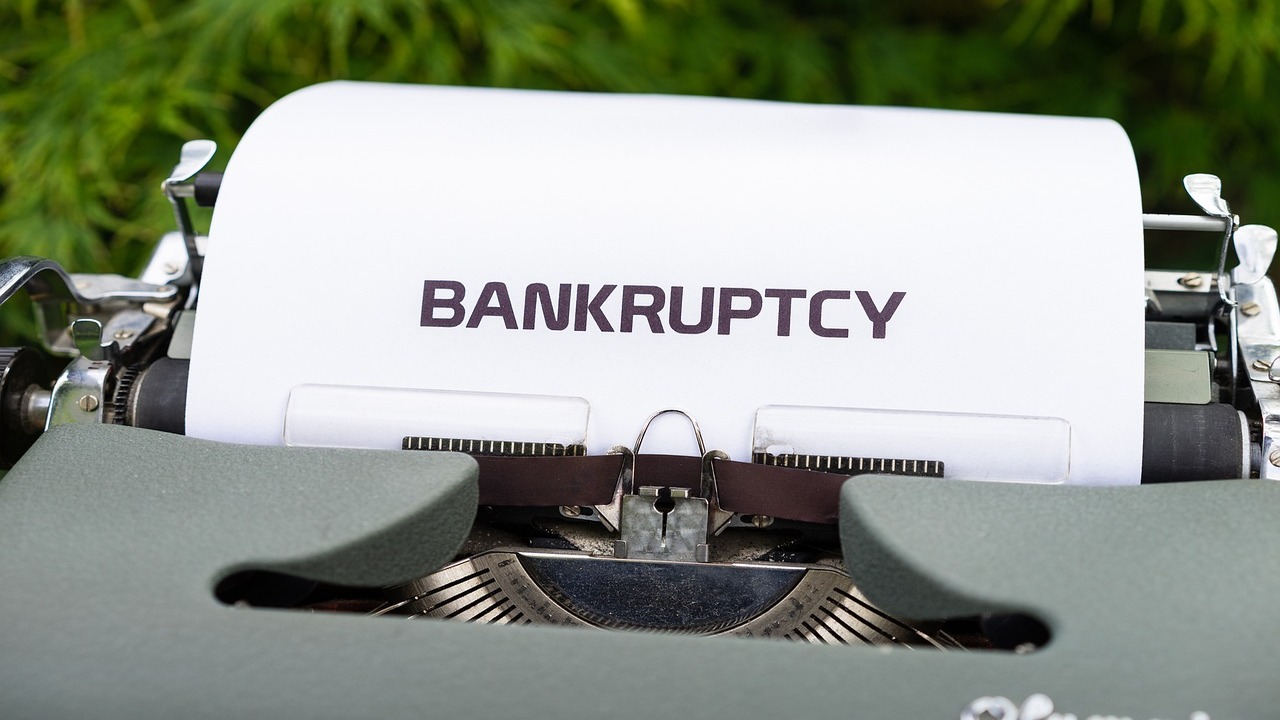
San Francisco Bay Area-based investment platform Linqto, which specializes in offering shares in companies before they go public, has filed for Chapter 11 bankruptcy.
Notably, Linqto submitted its legal documents to the U.S. District Court for the Southern District of Texas on Monday, with its first hearing scheduled for Tuesday. This emerges following months of legal and regulatory challenges, including allegations of securities law violations.
Meanwhile, several questions have surfaced regarding the company’s operations and its handling of high-value investments.
Allegations of Misconduct and Regulatory Violations Surface
Linqto’s troubles came into sharper focus following a report by The Wall Street Journal, which revealed findings from an internal investigation. According to the reports, some customers did not own the stocks they thought they purchased through the platform.
The report also indicated that Linqto may have improperly marketed its services to investors who were not qualified to buy stakes in private companies. Meanwhile, the company’s platform has ceased operations following March 13, halting its revenue-generating activities and deepening its financial woes.
These practices have drawn scrutiny from the US Securities and Exchange Commission (SEC). For perspective, the SEC has notified Linqto of an ongoing investigation into potential violations.
Ripple Distances Itself as Linqto’s Legal Battles Intensify
In a recent X post, Ripple CEO Brad Garlinghouse addressed the growing concerns surrounding investment firm Linqto. Notably, Garlinghouse emphasized that Ripple has no business relationship with Linqto.
The CEO clarified that Linqto acquired its 4.7 million Ripple shares solely through secondary market purchases from existing shareholders, not directly from Ripple. He also noted that Ripple ceased approving Linqto’s secondary market transactions late last year amid rising skepticism.
This move highlights Ripple’s efforts to distance itself from Linqto’s controversial practices, which involved selling “representative units” to retail investors at inflated prices. Meanwhile, this has sparked debates about transparency and regulation in private investment markets.
As investigations by the SEC and DOJ unfold, Garlinghouse’s statements aim to reassure stakeholders. On the other hand, Linqto has not provided clarity on the specific value of its Ripple holdings.
Moreover, the bankruptcy filing also revealed that it failed to secure necessary permissions from issuers like Ripple for share transfers, further complicating its legal standing.





 Ephraim Emmanuel | September 7, 2026

 Jonathan Agozie | September 6, 2026
 Chris Lion | September 4, 2026
